
Long before humans asked whether God exists, they faced a more urgent problem: how to live with chaos. When reality feels unstable—when the future cannot be predicted, and fear has no clear boundaries—the human psyche seeks something solid. If order cannot be sustained internally, it is built externally.
We build structures to bear the weight we cannot yet carry within.
This instinct is ancient, adaptive, and deeply psychological. Rituals, routines, hierarchies, and sacred spaces function as containers. They stabilize attention, regulate anxiety, and locate meaning somewhere visible and dependable. Consequently, early religion in this light is less about belief and more about containment—about fixing order in space so the inner world doesn’t fracture.
One of the earliest religious texts we possess, the Kesh Temple Hymn (c. 2600 BCE), makes this impulse unmistakable. It is not a confession of faith or a story of inner transformation. It is a hymn to a building. The temple is praised as the axis of reality, the place where heaven and earth are held together, where chaos is restrained, and society is made coherent. The god associated with the temple matters—but the structure comes first. Meaning flows outward from architecture.
What is striking is what the hymn does not address. There is no wrestling with conscience. No inward reckoning. No transformation of desire. The threat is not moral failure but instability, and the solution is not repentance but structure. Order precedes belief. Containment precedes faith.
Psychologically, the temple acts as an external nervous system. It contains fear, so individuals do not have to. It stabilizes the collective when internal regulation is fragile. This is not primitive religion; it is sophisticated survival psychology.
But containment has limits, signaling a shift from mere stabilization to the need for deeper transformation.
Structures can manage anxiety. But they cannot heal it. They can regulate behavior without forming the soul. They can keep chaos at bay, but sometimes the inner world remains untouched. And eventually, what was built to protect begins to replace the deeper work it was meant to make possible.
This tension comes to the forefront in biblical narratives.
The God who emerges in Israel consistently refuses to be localized. He will not stay inside buildings, systems, or guarantees. He dismantles external containment. Then, he redirects the weight inward—into responsibility, trust, and formation under uncertainty. Where temples promise stability, this God invites transformation. Where structures hold fear at a distance, He allows ambiguity to surface. In that ambiguity, the soul can be shaped.
With the arrival of Jesus, the direction of the story becomes even more pronounced.
He does not build a new sacred structure.
He does not offer a stronger container.
He invites people to carry what they once outsourced.
The work moves from stone to flesh—
From walls to hearts.
From regulation to relationship.
The question is no longer where does order live?
It becomes: who are you becoming when the structure no longer holds you?
Reflection: What Are You Letting Hold You?
Most of us are far more religious than we think.
Not in belief—but in where we place our weight.
We still build temples, though they no longer look like stone or altars. We build them on certainty, routine, productivity, identity, doctrine, therapy language, and even spiritual disciplines. None of these are wrong. Many are necessary. But at some point, the question turns sharper:
What is holding your anxiety right now?
And did God ever ask it to?
External structures are kind. They keep us functioning. They help us survive seasons when the inner world is thin or overwhelmed. But they were never meant to replace formation. What begins as support can quietly become avoidance.
Jesus never attacks structure for existing.
He exposes it when it replaces transformation.
This is why He is so difficult to pin down. He doesn’t remove uncertainty; He relocates the work. He takes what we want managed for us and places it back into our hands—not as punishment, but as an invitation.
The kingdom He speaks of cannot be seized, secured, or stabilized from the outside. It only grows where someone is willing to remain present without guarantees. To stay when clarity is withheld. To trust without outsourcing responsibility.
That kind of faith is quieter than certainty and heavier than rules.
So the question is not whether your structures are helpful.
The question is whether they are forming you or replacing the need to be formed.
And perhaps the most honest prayer is not for more clarity, but for the courage to stay open-handed when clarity doesn’t come.
Because what if God is not absent in the ambiguity—
But doing the deeper work there?
Sit with that.
Not to resolve it.
But to let it tell you the truth about where you are leaning.
That is where the real work begins.
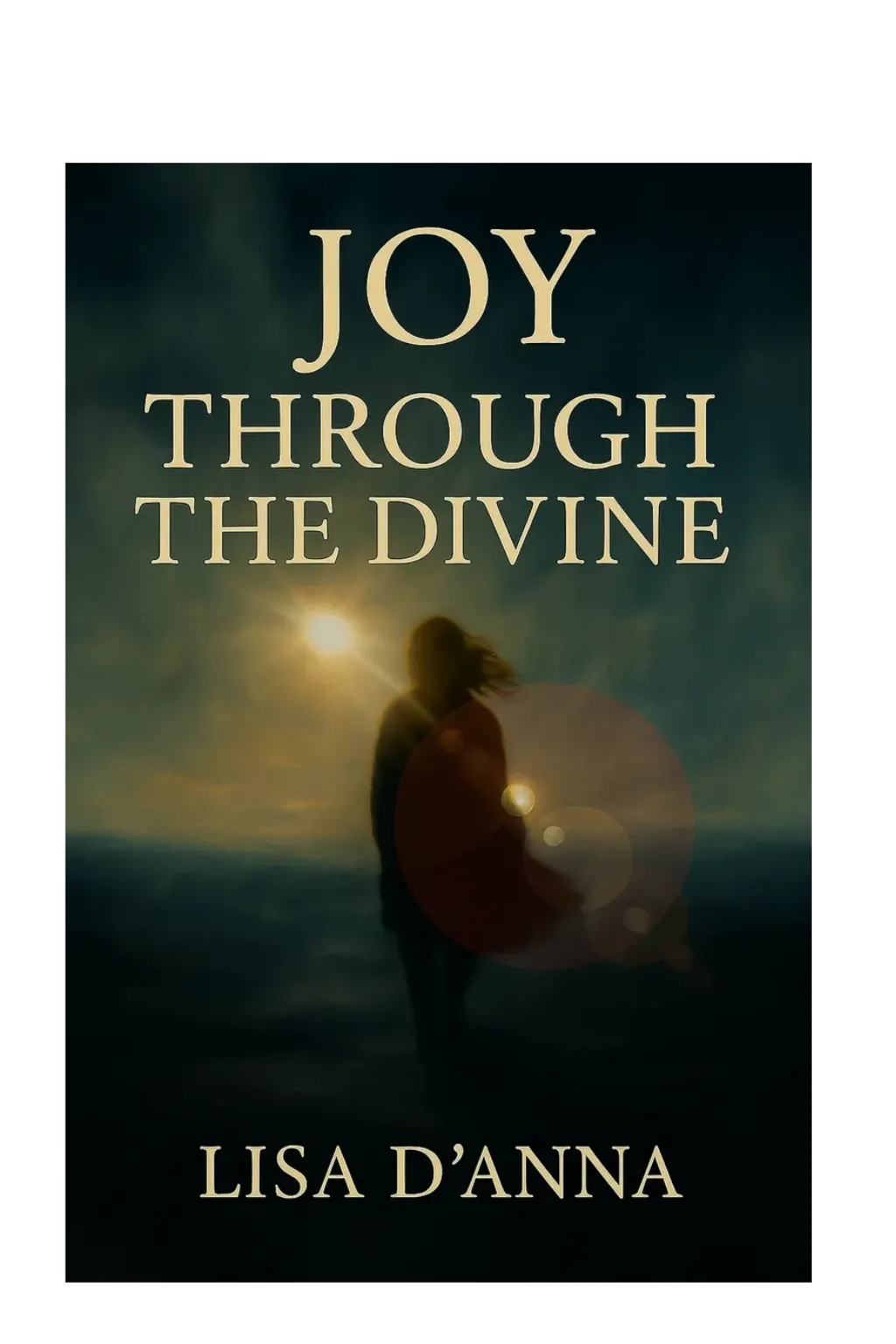 View the book ↗