One Must Be Secure in Themselves to Be in a Successful Relationship
The right relationship will benefit every area of your life. Finding someone who complements your quirkiness and helps you become stronger and happier is a beautiful experience. Real love is powerful—but it starts with loving yourself first.
You hear “love yourself” all the time, and it sounds painfully cliché. But most clichés are carrying at least one suitcase of truth. This is not about loving yourself egotistically because of how you look or what you do for a career. It is confidence in the real you: recognizing that your quirks can be part of your strength.
That requires serious self-reflection. Where are you self-sabotaging? Where are you performing or hiding behind a façade? Where are appreciation and gratitude missing? Do you want a relationship—or do you want another person to fill a void?

If you do not have a strong sense of self, it is easy to be pulled into social media's illusion that you are not enough—that changing your identity, appearance, or relationship status will finally lead to love.

Dating apps can intensify the problem. Many are designed around instant physical attraction, and a swipe can temporarily distract from a deeper emptiness. Some people become comfortable with meaningless encounters or remain in toxic relationships because the partnership looks impressive from the outside.
Then comes the cultural panic about turning thirty. The fear says love has an expiration date. It does not. Maturity, communication skills, and greater self-knowledge can help people choose partners more wisely at any age. Panicking—or settling—because of a birthday is a terrible relationship strategy.
Love is not a photo shoot for your friends. It is a commitment between two people who are willing to grow stronger and make life better for one another and the people around them. As 1 Corinthians 13:4–13 reminds us, love teaches patience, kindness, humility, endurance, and truth. Love was never meant to function as emotional spackle for an unexamined void.
The single season can be one of the best times for self-reflection. Being single is not something to be embarrassed about. It can be preparation for a strong, loving relationship—or a meaningful life that does not depend on marriage.
Healthy partners value confidence in one another. Confidence supports a successful relationship rather than one built only on chemistry, fear, or constant validation. When someone has no stable sense of self, a partner can slowly become more therapist than companion—expected to repeatedly supply an identity the other person has not developed.
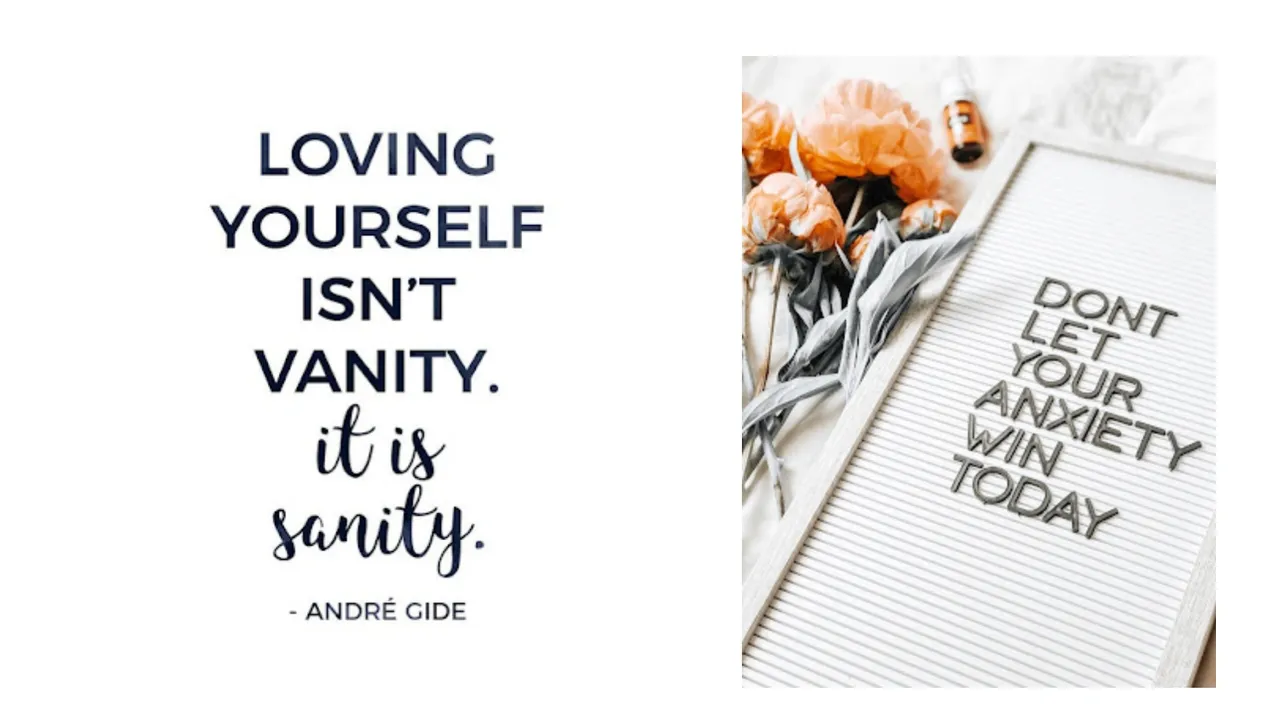
You need to show up for yourself first. Know that you can stand on your own. Learn the good, the bad, the ugly, and—most importantly—the beautiful. That work can protect you from codependency. And if a relationship ends, you will still know who you are.
Signs You May Still Need to Work on Yourself
- You need constant reassurance about your attractiveness or worth.
- You are afraid to do anything alone.
- You believe a romantic relationship is the only path to happiness.
- You experience the person you are dating mainly as a demand on your time rather than a partner.
- A breakup completely erases your ability to function or recognize yourself.
Growth Requires Discomfort
It takes introspective work, but becoming a well-rounded partner is worth the effort. I would rather my partner know what they are choosing beforehand and feel reassured that they chose the authentic me—the good, bad, ugly, messy, beautiful me. That sounds much closer to happily ever after.
Single Life: Successful by Choice
If you discover that marriage is not for you and loving yourself is enough, that is okay too. Many women have built meaningful, influential lives without making marriage the center of their identity.
Coco Chanel
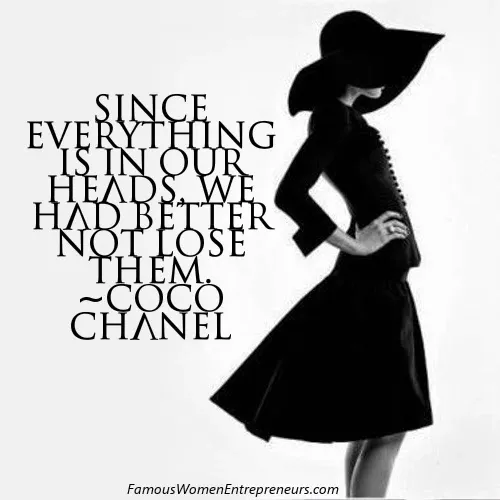
“My life didn't please me, so I created my life.”
Coco Chanel became one of fashion's most recognizable figures. Fiercely independent, she built a lasting creative and commercial legacy rather than allowing relationship status to define the limits of her life.
Marianne Williamson
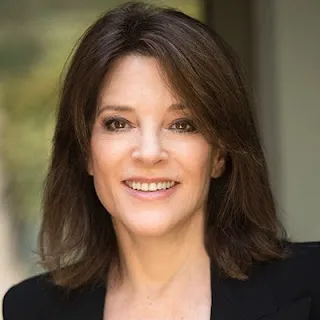
“Nothing binds you except your thoughts; nothing limits you except your fear; and nothing controls you except your beliefs.”
As an author and public teacher, Marianne Williamson has spent decades discussing love, fear, responsibility, and inner development. Her public life offers an example of building purpose around ideas and service rather than treating marriage as the only measure of fulfillment.
Jane Austen
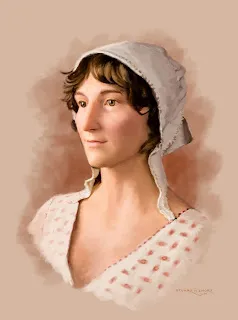
“We all have a better guide in ourselves, if we would attend to it, than any other person can be.”
Jane Austen never married, yet she wrote some of literature's most enduring examinations of love, character, social pressure, and marriage. Her early novel First Impressions eventually became Pride and Prejudice, and her work remains widely read and studied.