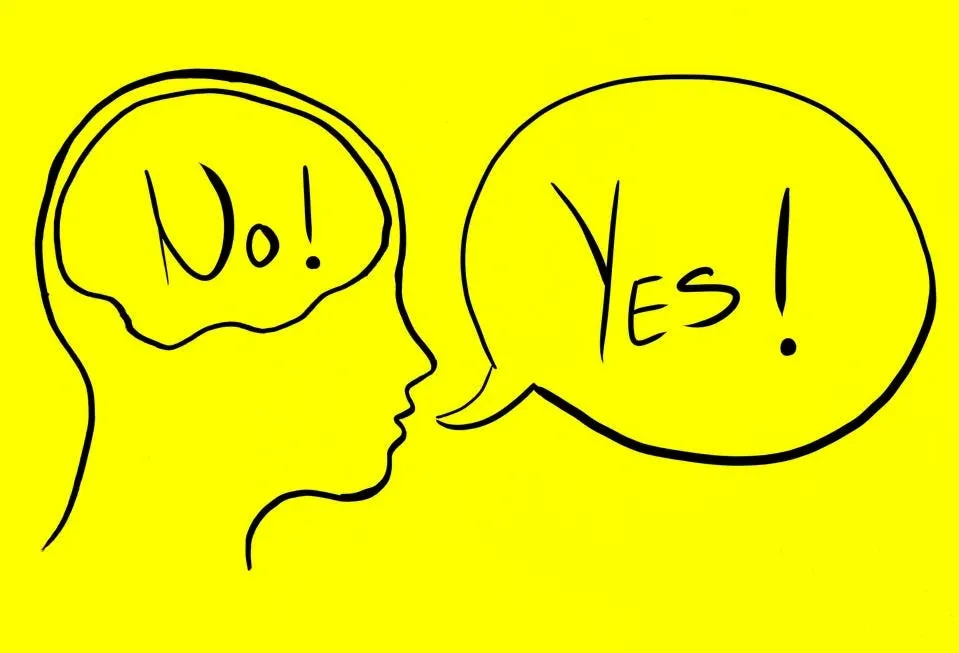
Getting lied to is not pretty, and spotting a liar can be challenging, as people vary in their behavior. However, some common signs may indicate dishonesty. Here are four ways to spot a liar:
Inconsistencies
Deception can often be detected through inconsistencies in details, timelines, or critical facts. It's essential to pay close attention to any contradictions or changes in a person's account of events, as liars may struggle to keep their story consistent. You can effectively identify potential deception by being vigilant and noting any inconsistencies.
A good question to ask is, “Can you walk me through the sequence of events one more time? I want to make sure I understand everything correctly.”
Body Language
According to research published in the Journal of Nonverbal Behavior, people who are lying may avoid eye contact, fidget, or touch their faces more frequently. Lying can cause discomfort and anxiety, which may appear in physical behavior. Keeping an eye out for these nonverbal cues can help identify potential deception—but no single behavior proves that someone is lying.
While at the FBI, agent Joe Navarro recalled an incident where he was searching for a fugitive. When interviewing the fugitive's mother, he asked whether she had seen her son. Although she denied seeing him and appeared nervous, there was no way to confirm whether her anxiety was due to the presence of the FBI agents.
Navarro then changed his line of questioning and asked whether her son might have been sneaking into the house while she was away at work. She denied the possibility but displayed nervousness by covering her neck. Her response was illogical—she could have simply said, “I don't know”—and, combined with the nonverbal display of nerves, hinted at deception. Navarro found the fugitive hiding in the house.
Unusual Speech Patterns
Liars may exhibit speech patterns that differ from their typical communication style. This can include speaking too quickly or slowly, using more or fewer words than usual, or overemphasizing specific points. Changes in tone or pitch may also be red flags. Listen for acoustic variance in speech, where pitch and tone change. Laughing at inappropriate times or displaying laughter that doesn't match the emotional context may be a sign of discomfort or deception.
Defensiveness or Avoidance
When someone lies, they may resort to defensive or evasive behavior when asked direct questions. They may try to change the topic or refrain from giving straightforward answers. Staying alert and observing their reactions is crucial, especially when discussing sensitive issues.
A question you could use to diffuse the situation is, “I sense that this conversation is making you feel upset. Can you help me understand what's causing that frustration, and how we can work together to make this conversation more comfortable for both of us?”
Although these signs can help gauge someone's honesty, they shouldn't be the only things you rely on to make an assessment. It's always a good idea to consider other contextual factors and cues to get a more accurate picture. It's also important to remember that different cultures and individuals may have unique ways of expressing themselves, which should be factored in. Considering all these things, we can make a fair and balanced evaluation of someone's honesty.